


Tolstoy and Sophia: A Marriage That Began With a Diary of Sins
PR
 日本語
This article contains affiliate links. If you buy through them, we may earn a small commission at no extra cost to you.
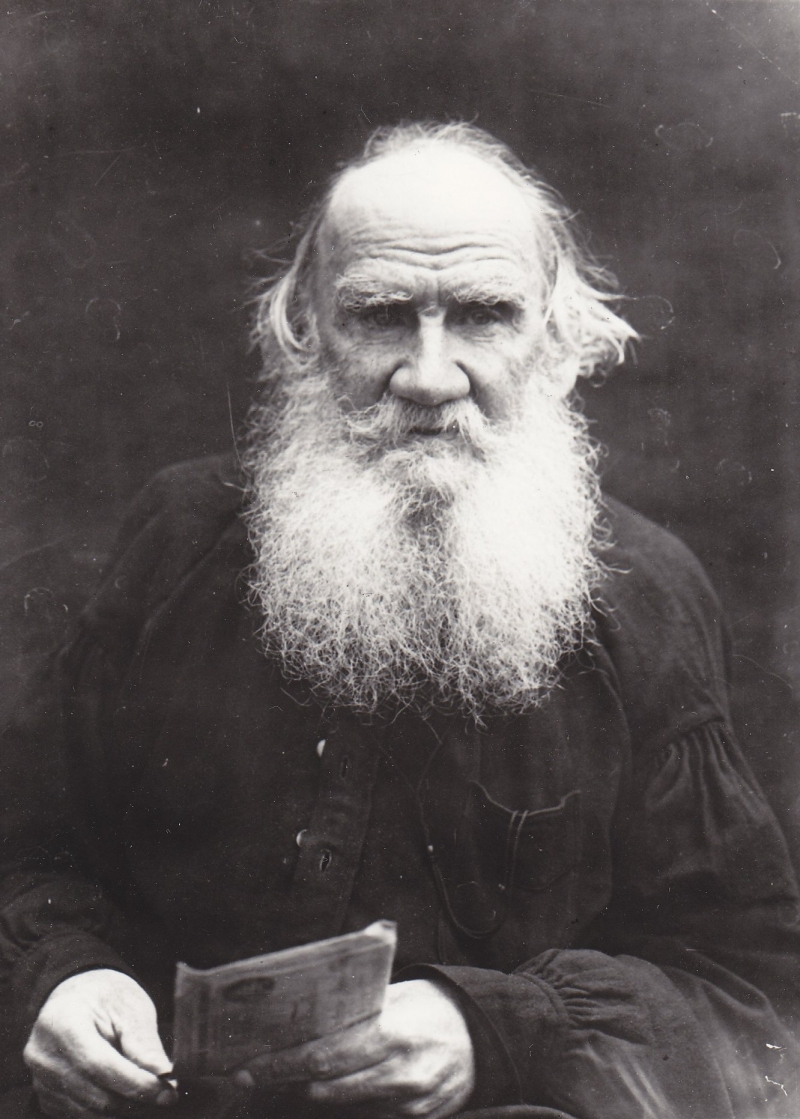
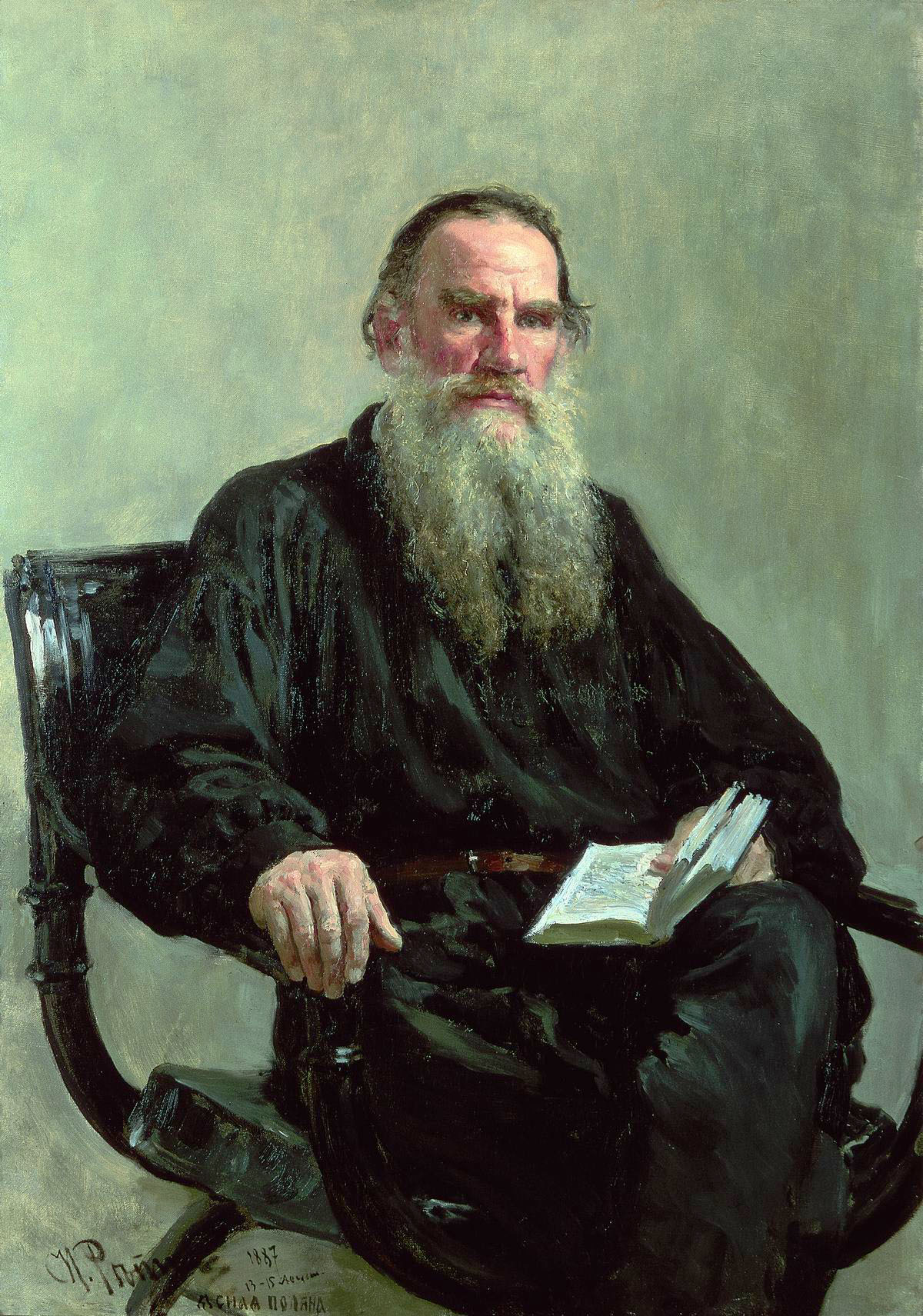
Leo Nikolayevich Tolstoy.
The author of War and Peace and Anna Karenina, and in his later years a religious thinker whose fame spread across the world. His books are still read everywhere, and the shadow he cast over the writers who came after him can hardly be measured.
The man who achieved all that had another face, too: simply a man, who spent his whole life swinging between passion and guilt.
This article steps away from the great novels and the philosophy, and follows Tolstoy from childhood to his final years with one focus: how he loved.
Who did he love, and what kind of marriage did he choose? This is the quiet yet violent story of a man who, on the eve of his wedding, handed his bride the diaries in which he had written down his own shame.
A House Without a Mother
The Mother He Could Not Remember
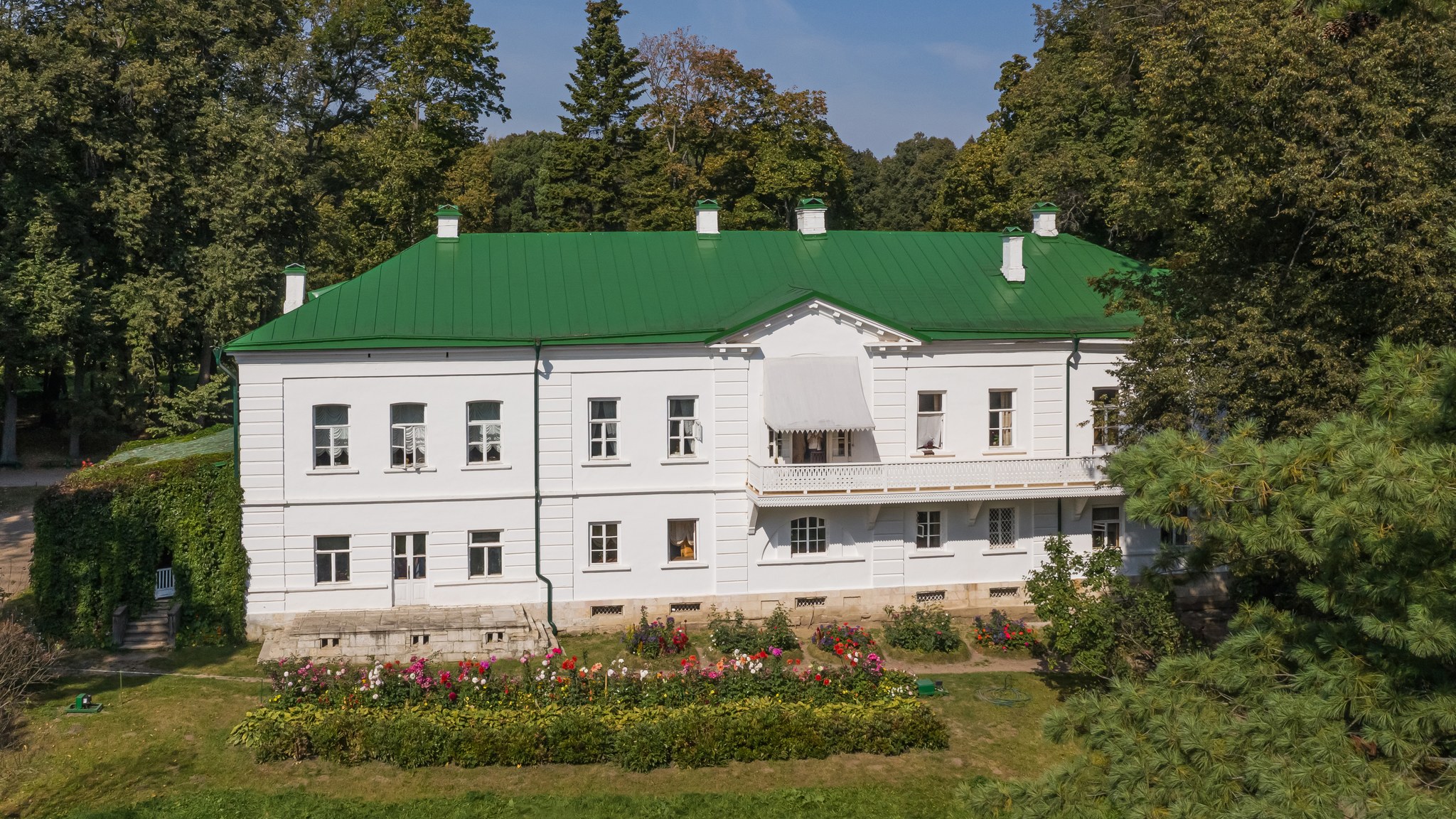
Tolstoy was born in 1828 at Yasnaya Polyana, his family’s estate in Russia, the fourth of five children of a count. It was the age of serfdom, and the house was full of family, servants and tutors.
His father Nikolai was a retired army officer; his mother Mariya came from a wealthy princely family, and the estate had come through her line. Their marriage is said to have been a happy one, but it did not last long. His mother died before he was two, and his father when he was nine.
Of his mother, he had no memory at all. All that remained was what his family told of her: a woman of literary talent, gentle, loved and respected by everyone. Perhaps a person we cannot remember is the one we can go on picturing as perfect. Imagination fills the gaps, and so, inside him, the mother he had lost may slowly have turned into an ideal of womanhood.
The Aunt Who Raised Him, and the Big House
The orphaned children were taken in by their father’s sister, Tatyana Ergolskaya. Tolstoy revered this intelligent, warm-hearted aunt for the rest of his life.
Trust in women, and the habit of expecting an ideal from them — the ground for both was laid between a mother’s absence and an aunt’s devotion, and for understanding the loves that came later, that ground was no small thing.
The Wandering Young Man
Desires Written in a Diary
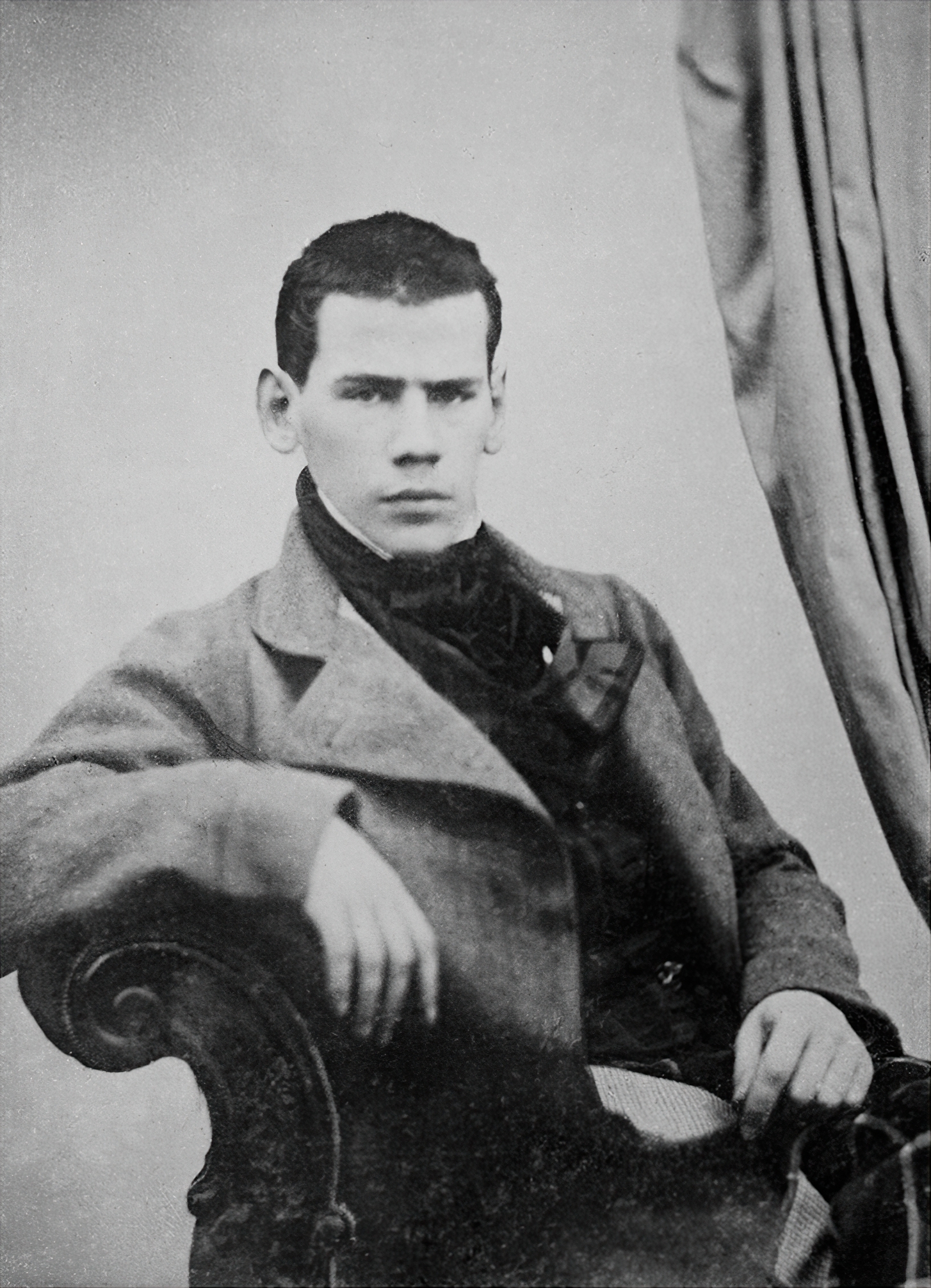
Tolstoy entered Kazan University at sixteen, drifted from Oriental languages to law without ever settling to his studies, and left at eighteen with no degree. Unable to find his place, he tried his hand at running the estate and failed, sank into gambling and pleasure, and piled up debts.
His sexual awakening came early, and it was rough. From boyhood he visited brothels, and each time he was seized by violent self-disgust. The record even shows that as a student he was treated for a venereal disease. Inside this young man, the war that would last his whole life had already begun: the self that was swept away by desire, and the self that could not forgive it.
At eighteen he began the diary he would keep for the rest of his life, filling it with merciless words about his own laziness and desire. He made rules to discipline himself, broke them, and confessed again in the diary. In his Kazan days he felt a faint tenderness for a young woman named Zinaida, but it came to nothing; most of his passion in those years was spent being dragged around by desire and reproaching himself for it.
The Caucasus, and an Engagement That Failed
At twenty-two he followed his brother Nikolai to the Caucasus and served as an artilleryman. The next year, his first published work — a story of his childhood — won high praise, and the road of a writer opened before him. But whenever he came home on leave, he took up with Aksinya, a peasant woman on his own estate. She was a married woman. The relationship, unequal in rank and impossible to show the world, did not end after one time; it continued, on and off, for years. In time, a child was born to them.
Around the same time, a marriage was being arranged with Valeria Arseneva, a young noblewoman who lived on a nearby estate. Orphaned, she lived quietly with her sisters, and the letters between them multiplied. For a while his feelings tilted strongly toward her. But the more time he spent with her and her family, the more he felt something lacking in her inner life. His feeling cooled — one-sidedly — and he ended the relationship with a frank letter. Wanting to marry, and being unable to be satisfied with the partner: that cruel round trip was the reality of his twenties.
His tie to Aksinya ended only with his own marriage. Yet her existence never left his world. Her son Timofei grew up and in time worked as a coachman for the Tolstoy household. The past went on living quietly within the grounds of the same estate.
The young Tolstoy longed for marriage and could not bind himself to anyone. Only the diary, filled with records of desire and self-loathing, steadily grew thicker. And so the marriage he finally chose would take a merciless form: one that allowed no secrets at all.
The Eighteen-Year-Old Bride
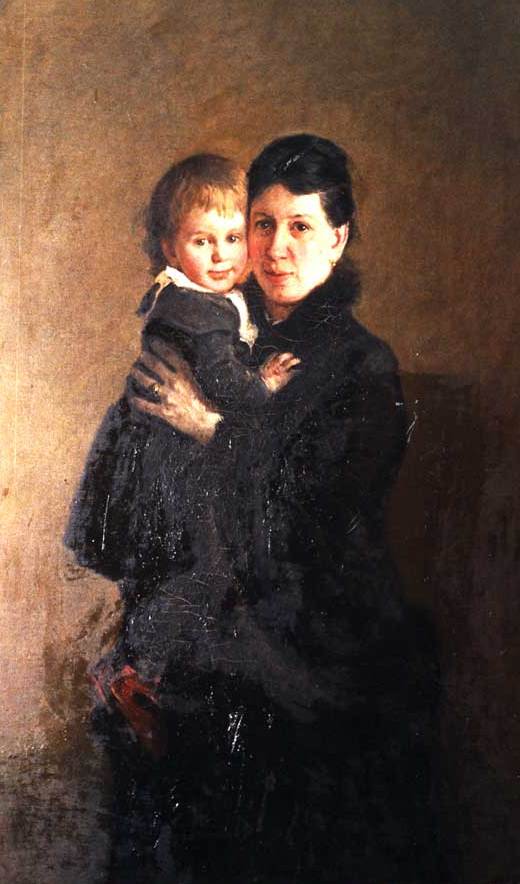
At thirty-four, Tolstoy was calling almost daily at the home of Dr. Bers, an old family friend — a household he had known since his mother’s generation, with three daughters now of marriageable age. Naturally, everyone assumed the match would be the eldest daughter, Liza. Sisters were expected to marry in order of age, and Tolstoy himself had at one point considered marrying Liza, writing his doubts into his diary. But the one his feelings settled on was the second daughter, Sophia. To the man who had known her as a little girl, the Sophia of eighteen was no longer a child.
A Proposal in Initials
The diary of the days before the proposal is feverish:
“I am in love, as I did not think it was possible to be in love. I am a madman; I’ll shoot myself, if it goes on like this.”
Unable to say it aloud, he found another way to tell her. On an evening of dancing, he took a piece of chalk and, on the card table, wrote only the initials — the first letter of each word — of the sentence he wanted to say. Not the sentence itself: just the opening letters, and she was to read the whole from them.
According to Sophia’s own memoir, the sentence meant this: “Your youth and need for happiness too vividly remind me of my age and incapacity for happiness.” And there was one more thing he wanted to make clear: it was not her sister Liza he wished to marry.
She read it all, on the spot, from the initials alone.
He later moved the scene into Anna Karenina, where Levin writes in initials, “When you told me it could never be, did that mean never, or then?” — and Kitty reads it at once. It became one of the most famous proposals in literature.
The Diary on the Eve of the Wedding
After the proposal had been accepted and before the wedding, Tolstoy did one more thing. He gave Sophia the diaries he had kept since his youth, and asked her to read them. In them, written without concealment, were the days lost to gambling, the brothels, and the child born to the peasant woman. For an eighteen-year-old bride, it was a confession of a crushing weight, delivered on the eve of the celebration.
In a letter to her at that time, he wrote:
“I demand that I should be loved as much as I am able to love.”
Unless the feeling burned equally on both sides, it was not marriage. The line is frank to the point of selfishness — and it is his view of marriage itself.
Even so, Sophia chose to marry him. A marriage that did not begin with everything known was, for Tolstoy, no marriage at all. Everyone searches for someone who will stay even after seeing the part of us we least want to show. But the burden his way of doing it laid on the other person was far too heavy.
It is not hard to imagine that the bride who finished reading those diaries did not sleep easily that night.
The Wife Who Copied, the Wife Who Ran the House
A Marriage That Began at Full Heat
The marriage began passionately. In his diary from the year after the wedding, words remain of violent love for his wife — and of a happiness so great it frightened him. Sophia’s diary shows another side. Faced with the intense expressions of love, and the powerful sexual appetite, of a husband so much older, the eighteen-year-old bride was bewildered, and at times felt burdened. A husband at the height of happiness, and a young wife who could not keep up: that gap in intensity was there from the very beginning of the marriage.
And still, their days gradually found the rhythm of working together. Living with that gap, and still not parting — in time, that coexistence would face a far greater trial, when the question of faith entered the house.
The Desk That Carried War and Peace
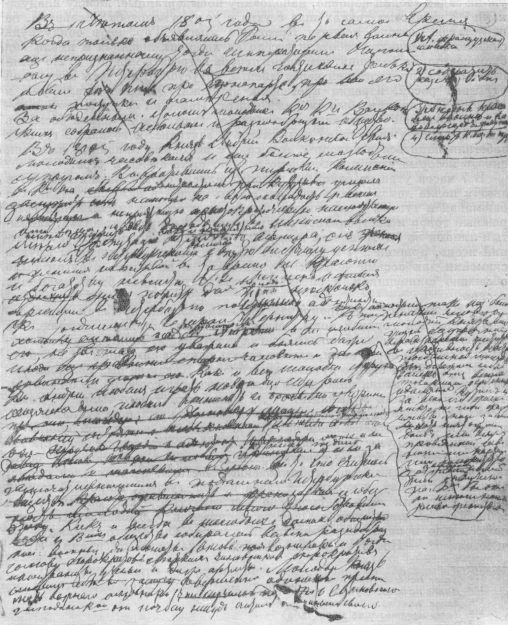
During the writing of War and Peace, the great work of his late thirties, Sophia took charge of copying out the drafts. Tolstoy’s manuscripts were layered with revisions upon revisions, famously illegible to anyone else. She deciphered them, copied them fair, sometimes even offered her opinions on the content — and repeated the work again and again, recopying each time he rewrote on a large scale. The great novel was, without question, the work of two people.
Thirteen Children, and the Running of a House
Her work was not only at the desk. While bearing and raising children, she kept an eye on the management of the estate and handled the negotiations for publishing his works. Thirteen children were born; five of them were lost in childhood. And still the practical life of the house kept turning in her hands. That her husband could immerse himself in his writing was because his wife had taken the foundations of their life upon herself.
The fruitful days of the two of them continued into the writing of Anna Karenina. But in the middle of that happy household, another question was growing inside Tolstoy. Why did a man who had fame, wealth and the love of his family fear death so much, and go on searching for the meaning of life? In time, that question would turn its blade toward the household itself.
Between Faith and Property
The Rift the Conversion Brought
Past fifty, Tolstoy fell into a deep spiritual crisis, and his faith was utterly transformed. The fear of death had been growing quietly in him ever since, as a young man, he had stood by the death of his beloved brother Nikolai. In time he broke with the teaching of the Church and came to believe that the right life was a simple one: labour, and owning nothing.
The problem was that this ideal collided with the reality of his household. He tried to renounce his copyrights and give away his property. But the house was full of growing children, and the income from the estate and the publications was the foundation the family lived on. To Sophia, who had carried that practical work for years, her husband’s ideal must have looked like something that could pull the family’s life down by its roots.
The Novella That Wounded His Wife, and an Old Man’s Jealousy
The Kreutzer Sonata, the novella he published at sixty-one, made the rift between them all but final. The world read its fierce indictment of marriage and sexual love as a confession of Tolstoy’s own household. His extreme ideal of chastity was, before it was a sermon to others, the product of his own lifelong war with desire, which had begun in boyhood. But Sophia felt that her married life had been exposed before everyone’s eyes, and her diary records how deeply she was wounded. Later, she answered by writing a novella of her own, telling the marriage from her side. It was a rebuttal that would never be published in her lifetime — but that she could not keep from writing it speaks to a wife’s stubborn pride.
Near seventy, there was another disturbance. The composer Taneyev came and went at the house, and Tolstoy felt a fierce jealousy at the friendly hours he spent with Sophia, who loved music. The thinker who denied sexual love, suffering this much over his wife’s friendship with a younger musician — he did not try to hide the contradiction, but wrote it in his diary. Here, too, his honesty was as merciless as it had been in the diaries of his youth.
In his philosophy he denied marriage, yet the two of them never actually parted. They lived in the same house, quarrelled, and looked after each other. Love and conflict were never sorted into one or the other; the years simply accumulated with the two mixed together under one roof.
The Runaway at Eighty-Two
The Secret Will
There is one scene that cannot be left out of Tolstoy’s last years. In the autumn of 1910, at eighty-two, he ended his life at a snow-covered station — and just before that death came the flight from home that was the conclusion of his marriage.
To the very end, the flashpoint was where his copyrights would end up. In the summer he turned eighty-two, guided by his disciples, he signed a secret will that would take the copyrights out of his wife’s hands. For Sophia, who had managed the rights to his works in order to protect the family’s life, it was tantamount to denying her forty-eight years. Once it came to light, the couple’s clashes deepened past the point of repair.
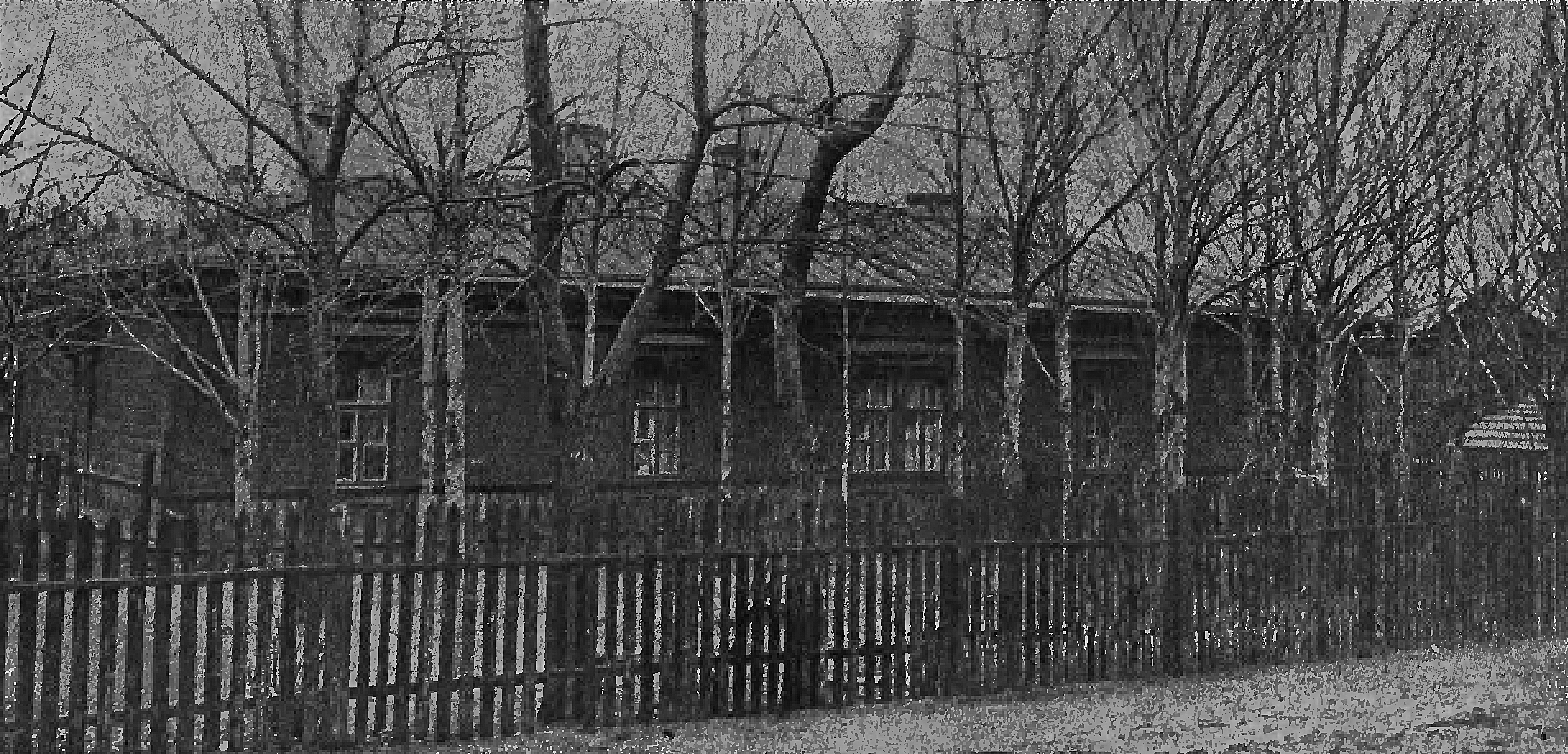
The Stationmaster’s House
Before dawn on a late-autumn night, Tolstoy left the house, leaving a letter for his wife. In it, it is said, were an apology — that his leaving would grieve her — and the plea that she believe he could not have done otherwise. A letter of parting that began not with blame but with apology. But the flight, made with his doctor and his youngest daughter, did not last long. His pneumonia worsened on the journey, and he was carried into the stationmaster’s house at the small station of Astapovo.
Sophia hurried to the station, but she was not allowed to see him while he was conscious — the judgement around him was that the shock might worsen his condition. She waited outside the room of her husband’s final days, and that sight may have been the whole complexity of this marriage, condensed into one scene. Only after he lost consciousness was she finally brought to his bedside.
Their marriage was never simple, not even in its parting. And yet the fact that across forty-eight years they never once became strangers to each other remains heavier than any conflict of ideas.
What Tolstoy Believed About Love

Tolstoy’s love showed opposite faces in different seasons of his life: the young man swung between desire and self-loathing; the new husband believed in the happiness of the household; the old man denied sexual love itself. He handed his bride the diaries in which he had written his shame, and in old age he wrote down even his jealousy of his wife, hiding nothing. A passionate man, a confessing man, a stubborn man — and a man constitutionally unable to lie. That is who he remained, all the way through.
Not hiding, but laying it all bare. That, I think, was the shape of his love from the beginning to the end.
To put it bluntly, he may have been, in the matter of honesty, the most troublesome husband in the world. It is not that he could not lie. It is that lying does not appear to have been an entry in his dictionary. And still, I find conclusion enough in this: the letter he left on the morning of his flight began not with blame, but with an apology. The house where the two of them lived still stands at Yasnaya Polyana, and the two diaries — his and Sophia’s — go on telling the same forty-eight years in separate voices.
Related Books | Dive Deeper into Leo Tolstoy
This page contains affiliate links. If you buy through them, Love Legends may earn a commission at no extra cost to you.
スクロールできます

The Diaries of Sophia Tolstoy
The record of the marriage’s other party. Read it beside his diaries, and the forty-eight years take on a third dimension.

The Kreutzer Sonata
The scandalous novella that indicted marriage and sexual love, and wounded Sophia deeply. Tolstoy’s late radicalism, in the work itself.

Anna Karenina
The proposal in initials, retold here, became one of the novel’s most famous scenes. For reading Tolstoy’s own view of marriage inside his fiction.

War and Peace
The great work that could not have been finished without Sophia’s copying. Read it as the product of a young couple’s shared labour, and it looks different.
Related Articles
-
 The Grimm Brothers and the Quiet Loves Behind Their Fairy Tales
-
Osamu Dazai’s Love Life Between Passion and Death
-
Lord Byron’s Scandalous Love Life and His Dangerous Romances
-
Dante’s Lifelong Love for Beatrice, the Muse of The Divine Comedy
-
Hemingway’s Four Marriages and the Women Behind His Novels
-
Anne Frank’s First Love for Peter in the Secret Annex
-
Shakespeare’s Love Life, from Anne Hathaway to the Dark Lady
-
Murasaki Shikibu and the Quiet Passions Behind The Tale of Genji

Popular articles
-
Osamu Dazai’s Love Life Between Passion and Death
-
Cleopatra and Julius Caesar: Love Wielded as Power
-
Napoleon and Josephine, the One Woman the Emperor Could Not Possess
-
Picasso and the Women Who Fueled His Art
-
Tolstoy and Sophia: A Marriage That Began With a Diary of Sins
-
Sakamoto Ryoma and Oryo, the Wife Who Saved His Life
New post
-
Tolstoy and Sophia: A Marriage That Began With a Diary of Sins
-
Van Gogh’s Love Life and His Unfulfilled Longing for Marriage
-
The Grimm Brothers and the Quiet Loves Behind Their Fairy Tales
-
Schrödinger’s Love Life Was as Unconventional as His Famous Cat
-
Picasso and the Women Who Fueled His Art
-
How Gandhi’s Vow of Celibacy Tested His Marriage to Kasturba