





Gandhi and Kasturba: The Marriage That Survived His Vow of Celibacy
PR
 日本語
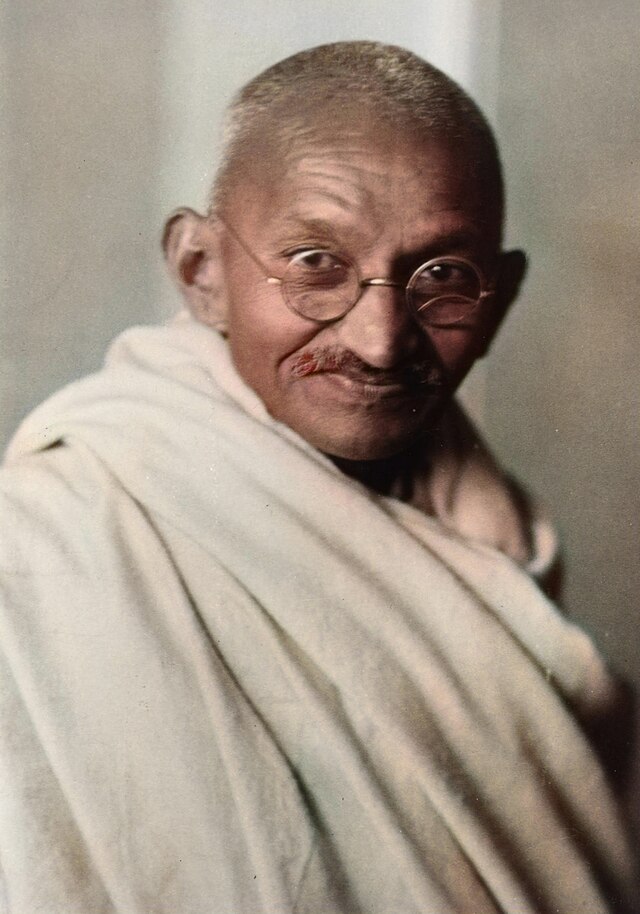
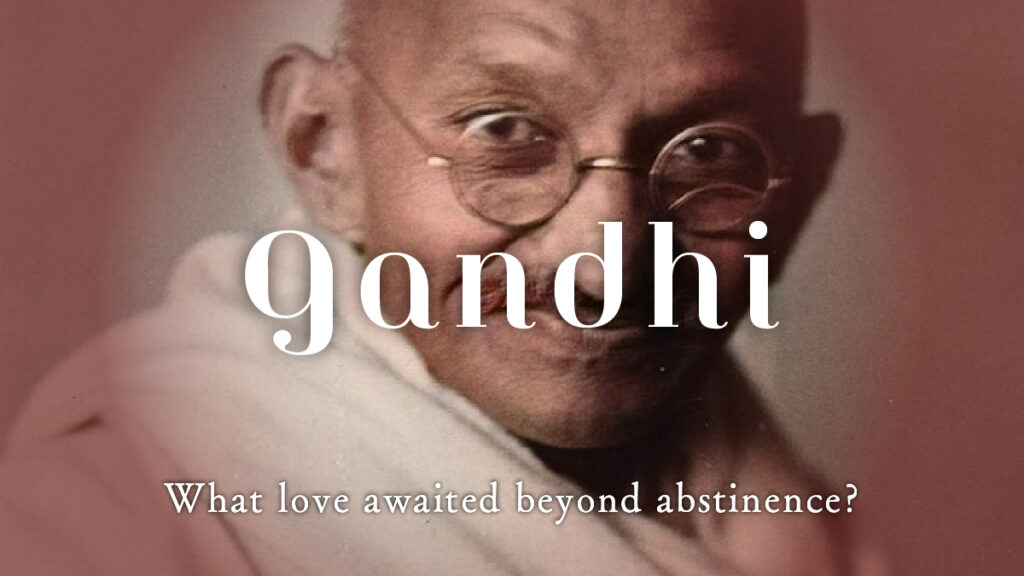
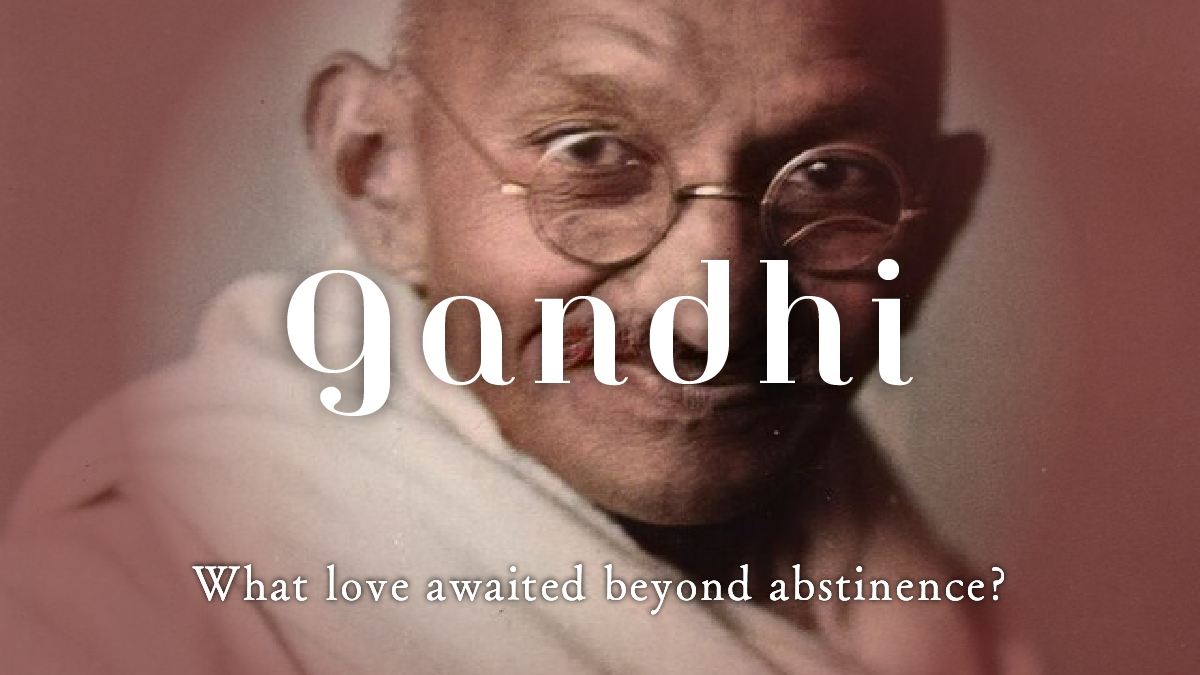
Mohandas Karamchand Gandhi.
The man who opened India’s road to independence from the British Empire with weaponless resistance, holding up nonviolence and truth. Called “Mahatma” — great soul — his name is still known around the world as a symbol of peace.
Yet he had the face of an ordinary man, too: weak and stubborn, a face that suffered from desire and jealousy in youth and never stopped fighting that battle. This article steps a little away from the leader’s achievements and follows his life, from childhood to his final years, with one focus: how he loved. Sixty-one years with the wife he married at thirteen — and a lifetime of experiments with celibacy.
A Boy of Prayer, an Awakening of Desire

A Devout Mother and a Quiet Childhood
Gandhi was born on October 2, 1869, in Porbandar, a port town in western India. His father, Karamchand, a pragmatist, served as chief minister of the small princely state; his mother, Putlibai, was a devout Hindu for whom fasting and prayer were a daily routine. Between a father wrestling with the realities of politics and a mother in conversation with God, the shy, unremarkable boy grew up quietly, in a house where words like sin and desire came early. Honesty had its root there too: to repay a friend’s debt he had filed gold from his elder brother’s armlet, then confessed it in a letter, which his father read, wept over, and tore up. He later called those tears “pearl-drops of love.”
A Child Marriage, and a Boy Playing the Husband
At thirteen, he married Kasturba, a girl a year older. Both families were merchants of the same town, and the marriage was arranged by their parents. Child marriage was nothing unusual in the region then, but he later condemned his own plainly in his autobiography:
“I can see no moral argument in support of such a preposterously early marriage.”
The young couple’s life was hardly calm. His passion for his wife made him fiercely possessive: he would not let her go out without his permission, and whenever she went anyway, refusing to yield, the house filled with quarrels. He tried to teach her to read and write, yet admitted that his own passion kept stealing the time meant for those lessons. A husband who tried to bind; a wife who would not be bound. Led on by a friend, he also secretly tasted meat and lied to hide it, and at a brothel found himself speechless and came out having done nothing. He later wrote every one of these failures into a book — less a great man’s biography than a record of confession.
His Father’s Death, and a Double Shame
At sixteen, he nursed his sick father day and night. One night his uncle offered to take over; he let go of the nursing and went back to the bedroom where his wife was. He woke the sleeping Kasturba and sought her — and in the very midst of their union, a knock sounded at the door. His father was dead. He had not been there at the end.
It became a regret that never faded: at the hour he should not have rested his hands, his heart had gone to the bedroom. He called it a “double shame.” Around the same time, the first child Kasturba bore died a few days after birth. Looking back on that season, he summed himself up like this:
“I have therefore always regarded myself as a lustful, though a faithful, husband.”
His father’s death, his child’s death, and shame at his own desire — all of it lay on the boy’s shoulders. In time he would cross the sea carrying that shame: not to run away, but to learn how to handle the troublesome creature he himself was.
A Lodging in London
The Student Who Took a Vow
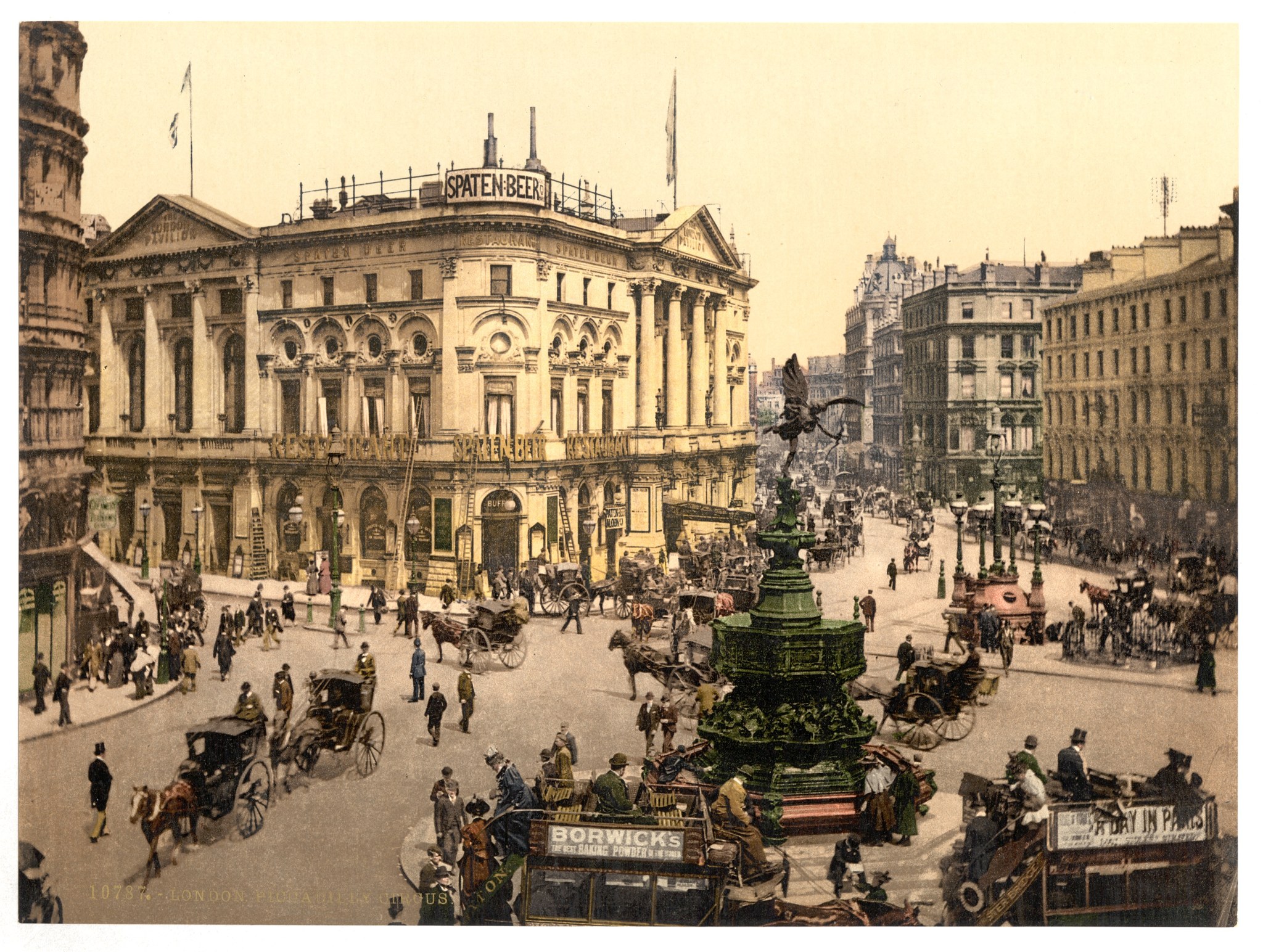
At eighteen, he sailed for London, set on becoming a barrister. Crossing the sea was held to be a religious taboo, but he settled faith and future with a vow to his mother: no meat, no alcohol, no women. Just before he left, Kasturba had given birth to their second child — the first to remain with them, after the loss of the first — a boy they named Harilal. She saw her husband off holding that tiny son; no record of the farewell remains, but it must have held anxiety and pride at once. In London he first longed to be an English gentleman — a tailcoat, lessons in dancing, French, elocution — but none of it lasted. What took hold of him instead was vegetarianism and religion; reading the Bhagavad Gita and the Bible, he came to feel that to govern the body is to clear the heart. The vow was kept. What London gave him, perhaps even before legal knowledge, was the technique of governing himself.
The Courtroom Where His Voice Failed
He came home at twenty-one, qualified as a barrister — and waiting for him was the news of his mother’s death. She had died while he was in London, but the family, fearing the shock in a foreign land, had never told him. It grieved him more deeply than his father’s death, he wrote; still he showed no tears. Practice brought its own humiliation: in his first case at a Bombay court he rose to cross-examine a witness, his mind went blank, and he sat down without a word. The judge laughed, and he returned the fee. Then came a call from across the southern sea: at twenty-three he took a case and sailed for South Africa, where discrimination for the colour of his skin was waiting.
The Strength to Turn Anger into Love
The Man Thrown Off the Train
Soon after arriving in South Africa, though he held a first-class ticket, he was thrown off a train for the colour of his skin. Spending the night in a freezing station, he weighed going home in humiliation against staying to fight — and chose to stay. Something in him changed decisively: not to answer violence with violence, but to hold fast to truth and go on trusting the humanity in the opponent. Satyagraha — “holding fast to truth” — grew out of that night. Around the same time he was deeply moved by Tolstoy’s writings, began exchanging letters with the Russian writer, and named the communal farm he opened with his comrades Tolstoy Farm. His daily life was thorough, too: he washed his own clothes, his ironing grew skilled enough to be entrusted with the politician Gokhale’s prized scarf, and in Pretoria, refused by an English barber who would not touch black hair, he bought clippers and ruined the back of his own hair, to his court friends’ laughter.
The Wife Who Talked Back
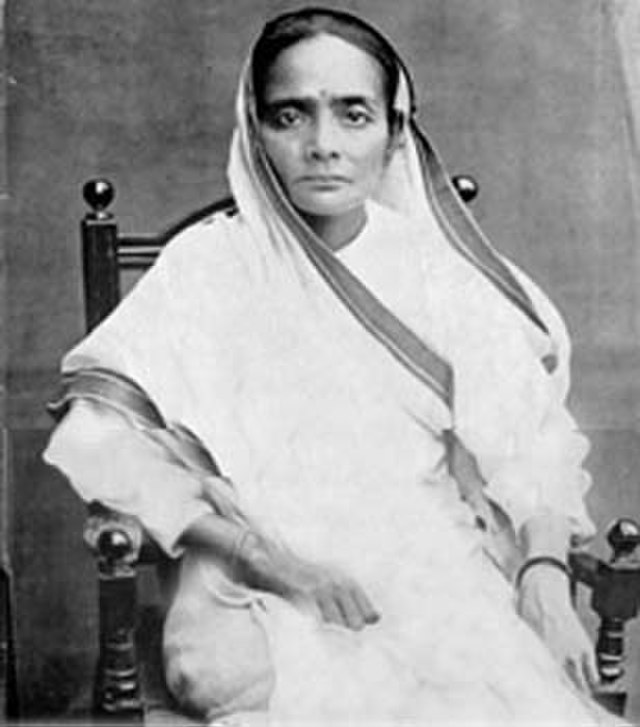
At twenty-seven, Kasturba and the children joined him in South Africa. In time she stood on the movement’s side as well: protesting an unjust law that refused to recognise Indian marriages, she crossed the border with other women, was arrested, and endured imprisonment including hard labour. Released, her body was wasted thin, it is said — but she was no wife hidden in her husband’s shadow. She stood on her own feet.
An incident when he was twenty-eight shows their relationship well. In their Western-style house, the family shared the cleaning of each room’s chamber pot. When he tried to make his wife clean even the one used by their guest, a Christian clerk, Kasturba protested in tears. He raised his voice, took her by the hand, and led her to the gate. What stopped the hand about to put her out was her refusal to yield: weeping, yet not retreating a step, she told him to keep his house to himself — she would go. He came to himself and closed the gate. He later wrote that in such clashes it was always he who gave way in the end, no match for his wife’s patience, and he looked back on himself in the autobiography as a “cruelly kind husband” who had made his wife suffer through blind love. She was no longer someone to be taught and led; she had become a partner who talked back as an equal. And when their youngest son was born, neither doctor nor midwife arrived in time, and he — who had been studying a book on midwifery — delivered the baby himself and took the child’s care upon himself too. The couple’s life was moving, little by little, from domination and obedience toward the shape of shared work.
The Vow of Celibacy
At thirty-six, he took the vow of brahmacharya (celibacy). He had practised restraint for some years already, but confided the idea to Kasturba only just before. She did not object. All four of their sons had been born before this vow. For a couple so long together, ending their sexual relationship was perhaps not the end of love, but a change in its shape — and perhaps a way to stop making his wife stand in the line of fire of his battle with his own desire. He wrote that he stopped looking at his wife as an object of desire and came to see her as a comrade sharing the same discipline. And yet the vow was never his problem alone: the fight with desire went on in him afterward, and closest to that fight, always, was her.
Between Prayer and Desire
Mirabehn, a Meeting of Souls
At forty-five he returned to India and moved to the centre of the independence movement. Along the way, an Englishwoman joined his disciples: Mirabehn, born Madeleine Slade, an admiral’s daughter. Struck to the heart by Romain Rolland’s biography of Gandhi, she gave up a wealthy life and crossed to India. He was fifty-six; she was thirty-two. He called her “daughter” and gave her a name taken from the saint Mirabai. She wore white coarse cloth, cut her hair short, settled into the ashram’s plain life, and accompanied him to London as an aide for the Second Round Table Conference. Her devotion was deep — at times, it is said, so strong that it led him to write letters holding her at a distance. Master and disciple, father and daughter: within a bond that can only be called one beyond the body, she stayed beside him as a comrade.
His Eternal Companion
At seventy-two, he led the Quit India movement, was arrested, and was detained with Kasturba in the Aga Khan Palace. In the quiet days of confinement the old couple passed their time in prayer and conversation, but her body was failing, and at seventy-four, still a detainee, he was present at his wife’s death. She is said to have drawn her last breath in her husband’s arms. Joined as children, quarrelling as they went, sharing prison together — sixty-one years. Even after losing her, he seems to have felt her presence living on within him; their relationship may have grown beyond what “one person’s love” could contain. He was released three months after her death, returning alone to a world that no longer held the wife who should have welcomed him.
The Experiments of His Final Years
A little more than two years after his wife’s death, at seventy-seven, he openly began experiments to test his own celibacy. In Noakhali and other places he had gone to quiet religious violence, he lay down naked in the same bed as young women, his grandniece Manu among them, imposing on himself the question of whether desire would stir at all. He called it a “yajna” (a sacrifice) and defended it as part of his experiments with truth. But the eyes around him were severe. He hid nothing — speaking of it at prayer meetings, writing of it in his journal — and that only deepened the resistance of those close to him: his interpreter-secretary and his stenographer left in protest, the editor of his journal resigned, and even his youngest son, Devdas, wrote that he was mistaking his path. An act even his comrades found hard to accept, he would not let go of as his own discipline to the end. Not to erase desire, but to set it before his eyes and go on looking at it — that extreme method may have been where the battle that began on a certain night at sixteen finally arrived.
At the End of Prayer
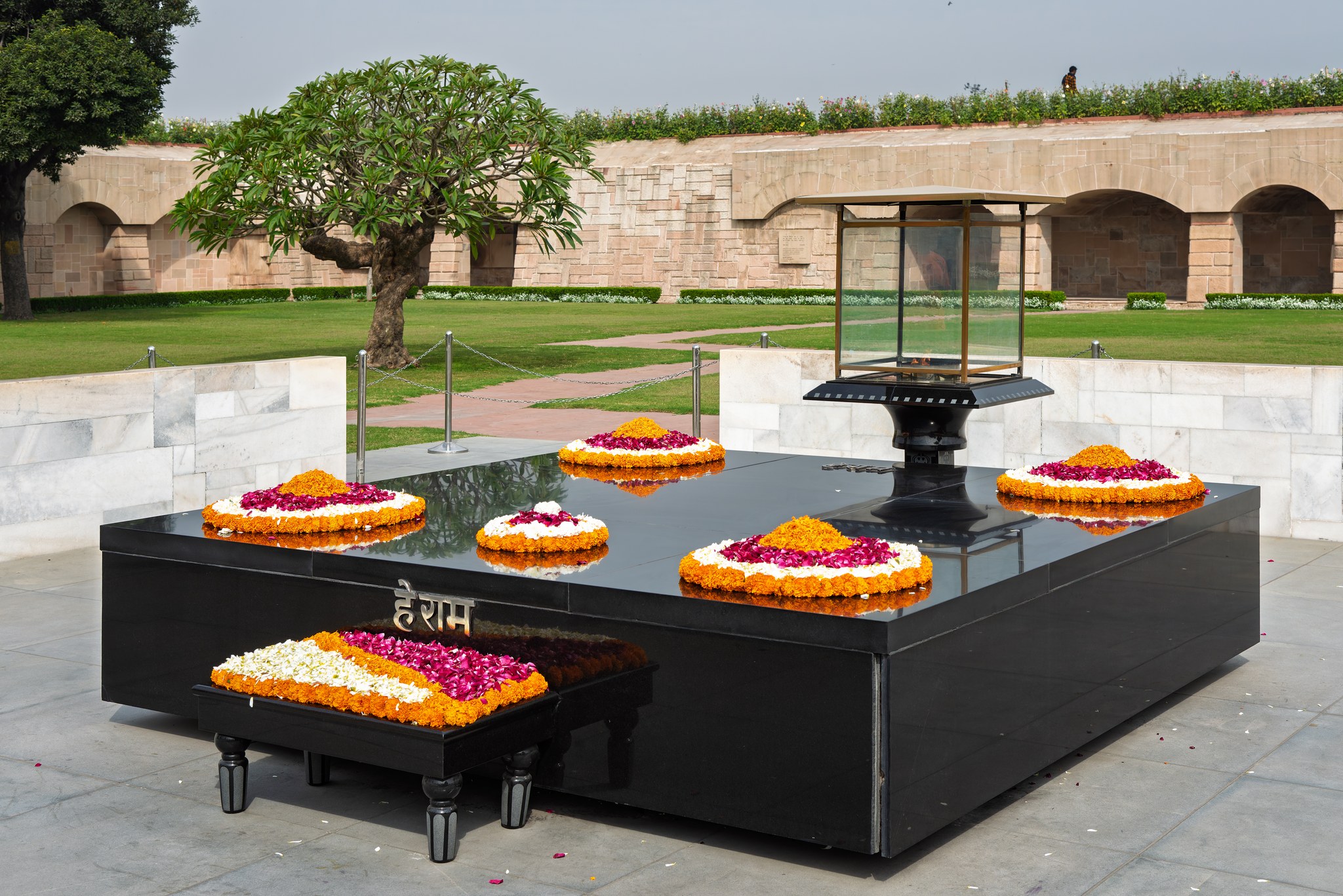
At seventy-eight, his end came on the way to prayer. In 1948, on a winter evening, walking through the garden of a Delhi house toward the evening prayer meeting, supported on either side by his grandnieces Manu and Abha, he was approached by a young man, and three shots rang out. The one who fired was Nathuram Godse, a young Hindu; the man of nonviolence fell by the violence of a fellow believer of his own faith. As he fell, the words “Hey Ram” — “O God” — are said to have slipped from his lips. The next day his body moved slowly through Delhi, seen off by the countless people who filled the roadsides, and he was cremated on the bank of the Yamuna River. His ashes were divided and poured into rivers across India, it is said; the funeral of the man who had faced an empire with weaponless resistance was wrapped in the prayers of an entire country.
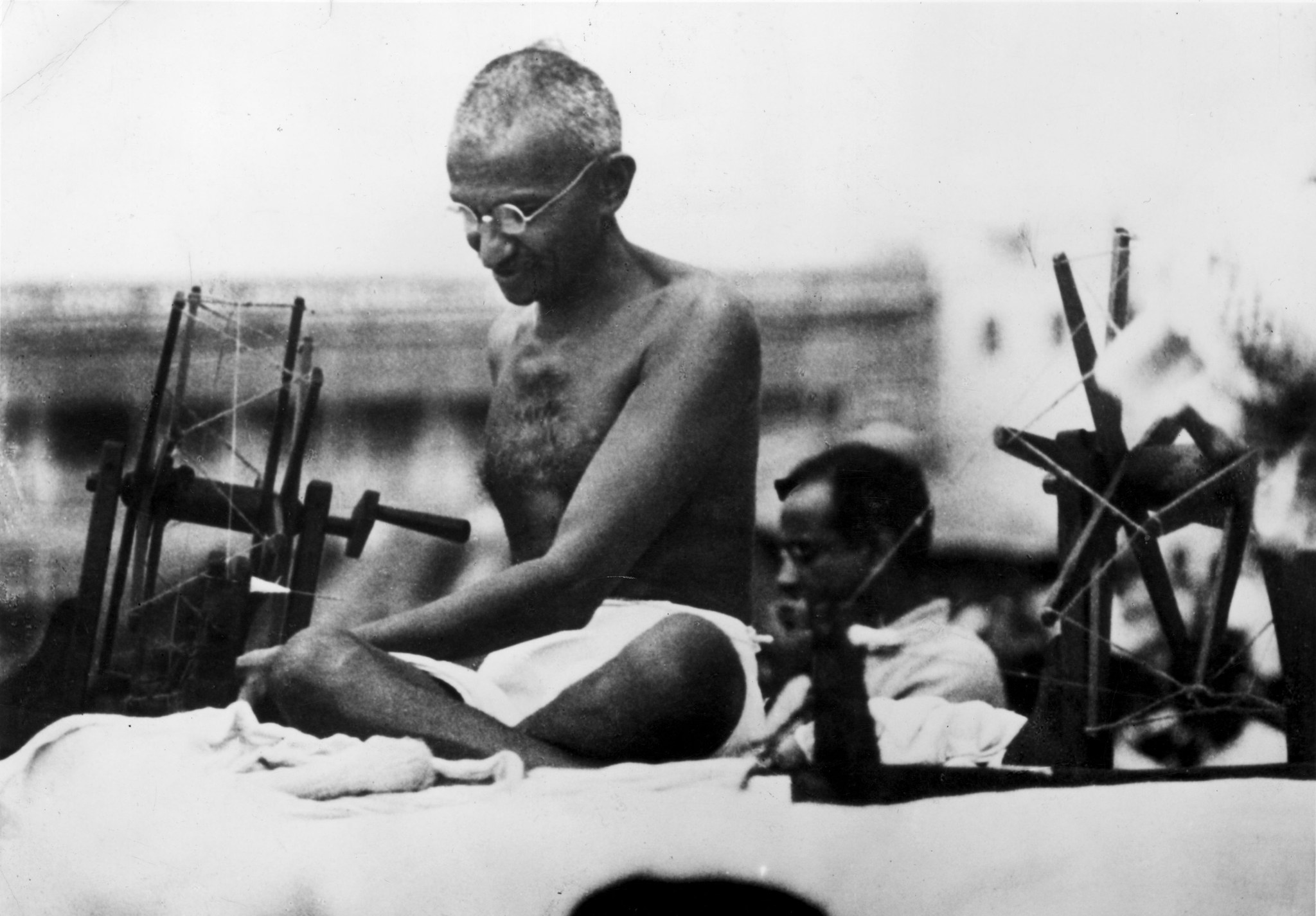
What Gandhi Believed About Love
When we trace the history of Gandhi’s love, it begins with the passion and jealousy he felt for the wife he married so young; it carries the night he failed to be at his father’s deathbed, a shame he bore all his life; it moves on to a vow of celibacy, and in his final years to trials in which he placed his own body on the test bench. An honest man, a stubborn man, and an utterly earnest one.
Perhaps, for Gandhi, love was not something to drown in, but something to discipline. He did not try to run from his desire; he sat down directly in front of it and stayed. His love for his wife, too, changed shape little by little — from fierce passion into the bond of comrades who share the same discipline. It may be that precisely because he tried to master love, he kept it closest beside him all his life.
Related Books | Dive Deeper into Gandhi
This page contains affiliate links. If you buy through them, Love Legends may earn a commission at no extra cost to you.
スクロールできます

An Autobiography: The Story of My Experiments with Truth(M. K. Gandhi)
The record of a soul that lived for “Truth.” Gandhi examines his own weaknesses and ideals, in his own words.

Gandhi: The Years That Changed the World, 1914–1948(Ramachandra Guha)
A monumental biography of Gandhi’s defining decades. The man behind the Mahatma — in love, faith, family, and politics.

All Men Are Brothers: Autobiographical Reflections(Mahatma Gandhi)
Gandhi’s own writings on love, truth, poverty, and action, gathered from across his life. His philosophy in his own quiet voice.

The Words of Gandhi(ed. Richard Attenborough)
“My life is my message.” The world-changing leader’s most powerful words, selected and introduced by Richard Attenborough.


Related Articles

Popular articles
-
 Raphael’s Love for La Fornarina, the Baker’s Daughter in His Paintings
-
Socrates on Love Beyond the Body and Life with Xanthippe
-
Tolstoy and Sophia: A Marriage That Began With a Diary of Sins
-
Schrödinger’s Love Life Was as Unconventional as His Famous Cat
-
Hemingway’s Four Marriages and the Women Behind His Novels
-
Michelangelo’s Solitary Passions and the Loves He Never Married


New post
-
Tolstoy and Sophia: A Marriage That Began With a Diary of Sins
-
Van Gogh’s Love Life and His Unfulfilled Longing for Marriage
-
The Grimm Brothers and the Quiet Loves Behind Their Fairy Tales
-
Schrödinger’s Love Life Was as Unconventional as His Famous Cat
-
Picasso and the Women Who Fueled His Art
-
Gandhi and Kasturba: The Marriage That Survived His Vow of Celibacy